
Creating an inviting and functional outdoor space can transform your home into a personal oasis. Whether you want a peaceful garden retreat, a lively entertainment area, or a family-friendly backyard, thoughtful outdoor design is key. This guide will walk you through practical steps to plan the perfect outdoor design that suits your lifestyle and enhances your property’s value.
Understanding Your Outdoor Design Needs
Before diving into materials and layouts, it’s essential to assess your needs and preferences. Start by asking yourself:
- What activities will you use the space for? (e.g., dining, gardening, playing)
- How much maintenance are you willing to do?
- What style do you prefer? (modern, rustic, tropical, minimalist)
- What is your budget?
Consider the size and shape of your yard. Take measurements and note existing features like trees, slopes, or structures. This will help you visualize what can fit and where.
Example: If you love hosting barbecues, plan for a patio with seating and a grill area. If you want a quiet retreat, focus on planting and comfortable lounge chairs.
Practical Tips for Planning
- Sketch a rough layout on paper or use free online design tools.
- Prioritize zones: dining, relaxation, play, and gardening.
- Think about privacy and shade. Use fences, hedges, or pergolas.
- Plan for lighting to extend usability into the evening.
Key Elements of Outdoor Design
Outdoor design combines aesthetics and functionality. Here are the main elements to consider:
Hardscaping
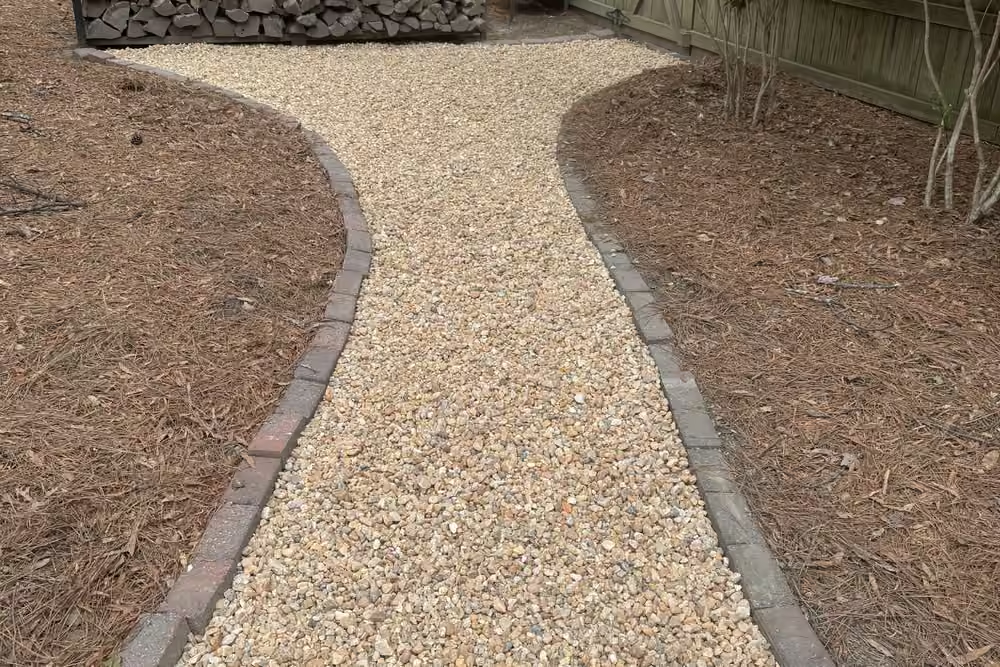
Hardscaping refers to the non-living parts of your landscape such as patios, walkways, retaining walls, and decks. These provide structure and define spaces.
- Use durable materials like stone, brick, or concrete.
- Choose colors and textures that complement your home’s exterior.
- Incorporate curves or straight lines depending on your style.
Softscaping
Softscaping includes plants, trees, flowers, and grass. These add color, texture, and life to your outdoor space.
- Select plants suited to your climate and soil.
- Mix perennials and annuals for year-round interest.
- Use native plants to reduce water and maintenance needs.
Lighting
Outdoor lighting enhances safety and ambiance.
- Use path lights for walkways.
- Add string lights or lanterns for a cozy atmosphere.
- Highlight focal points like trees or sculptures with spotlights.
Furniture and Accessories
- Choose weather-resistant furniture that fits your space and style.
- Opt for comfortable seating with cushions.
- Add outdoor rugs, pillows, and umbrellas.
- Include storage solutions for cushions and tools.
Water Features
- Water features like fountains or ponds add tranquility.
- Consider size and maintenance.
- Position near seating areas for soothing sounds.
Sustainability
Incorporate eco-friendly practices:
- Use drought-tolerant plants.
- Install rainwater harvesting systems.
- Choose permeable paving to reduce runoff.
Step-by-Step Guide to Planning Your Outdoor Design
Step 1: Site Analysis
- Measure your yard and note sun exposure.
- Identify existing plants and structures.
- Check soil quality and drainage.
Step 2: Define Your Goals
- List activities and features you want.
- Decide on style and color themes.
- Set a realistic budget.
Step 3: Create a Design Plan
- Draw a scaled layout.
- Allocate space for each zone.
- Choose plants and materials.
Step 4: Select Materials and Plants
- Visit local nurseries and suppliers.
- Choose native and low-maintenance plants.
- Pick durable, weather-resistant materials.
Step 5: Hire Professionals or DIY
- For complex projects, hire landscapers or designers.
- For simple tasks, gather tools and start small.
- Schedule work in phases if needed.
Step 6: Maintenance Planning
- Set a schedule for watering, pruning, and cleaning.
- Use mulch to retain moisture and reduce weeds.
- Monitor plant health regularly.
Enhancing Your Outdoor Space with Personal Touches
Adding personal touches makes your outdoor design truly yours. Here are some ideas:
- Art and Sculptures: Place garden statues or wind chimes.
- Outdoor Kitchen: Install a grill, sink, and counter space.
- Fire Pit: Create a cozy gathering spot for cool evenings.
- Play Area: Add swings, a sandbox, or a small playhouse for kids.
- Vertical Gardens: Use trellises or wall planters for small spaces.
Remember, your outdoor space should reflect your personality and lifestyle. Don’t be afraid to experiment with colors, textures, and layouts.
Making Your Outdoor Design Last
To keep your outdoor design looking great for years:
- Choose quality materials and plants.
- Protect wood with sealants.
- Regularly clean furniture and fixtures.
- Adjust your design as your needs change.
Planning the perfect outdoor design is a rewarding process that enhances your living experience. With clear goals, smart choices, and a bit of creativity, you can create a stunning and functional outdoor area that you and your family will enjoy for years to come.